
When you hear the phrase self-care, you might picture a spa day, a massage, or a relaxing getaway. While those experiences can certainly be enjoyable, true self-care goes much deeper. Self-care isn't something we turn to only when we're already overwhelmed or burnt out. Rather, it involves the small, intentional activities we practice every day to support our physical, emotional, and mental wellbeing.
One surprisingly powerful form of self-care is crochet.
Far more than a simple hobby, crochet can serve as a creative coping tool during difficult times. When mental exhaustion makes even basic tasks feel overwhelming, crochet offers a gentle, accessible activity that requires minimal supplies, creates no mess, and can be done almost anywhere—even from the comfort of your couch or bed while watching your favorite show.
But the benefits of crochet extend far beyond relaxation. Research suggests that crochet and other yarn crafts can positively influence four key areas of wellbeing:
- Mental and emotional health
- Physical health
- Cognitive health
- Purpose, identity, and social connection
A 2024 scoping review examining needlecraft activities—including crochet, knitting, sewing, and embroidery—found overwhelmingly positive effects on mental health and overall wellbeing across 25 different studies.
Mental and Emotional Health
One of crochet's most significant benefits is its ability to support nervous system regulation.
The repetitive, rhythmic motion of creating each stitch sends signals of safety and predictability to the brain. This repetitive activity can help calm the body's stress response and create a sense of stability during times of anxiety, uncertainty, or emotional distress.
Crochet may also support the release of serotonin, a neurotransmitter associated with improved mood, relaxation, and emotional balance. Many people describe crocheting as a meditative experience because it naturally encourages mindfulness and helps bring attention to the present moment.
At the same time, crochet provides small but meaningful doses of dopamine—the brain's reward chemical. Every completed stitch, row, or finished project creates a sense of progress and accomplishment. Over time, these small successes can help rebuild motivation, confidence, and a sense of capability.
The emotional benefits are reflected in research. A 2021 study involving more than 8,000 crocheters across 87 countries found that nearly 90% of participants reported feeling calmer while crocheting, more than 80% reported feeling happier, and approximately 75% said the activity gave them a stronger sense of purpose. These positive outcomes were also reported among women living with clinical depression.
Physical and Cognitive Health
Crochet's benefits are not limited to emotional wellbeing. The activity can also support physical and cognitive health in several meaningful ways.
Regular crocheting helps maintain and improve fine motor skills, hand-eye coordination, and dexterity. Some studies have also linked crafting activities to reduced blood pressure, improved relaxation, and better sleep quality.
Crochet may even assist with pain management. By directing attention toward a creative and engaging task, the brain has fewer resources available to focus on pain signals. As stress levels decrease and the body relaxes, muscle tension may ease, cortisol levels can drop, and overall pain intensity may feel more manageable.
Learning new stitches, techniques, and patterns also promotes neuroplasticity—the brain's ability to create and strengthen new neural connections. Each new skill challenges the brain to adapt, learn, and grow.
Research published in 2025 further found that crochet can improve attention and enhance communication between different regions of the brain. Following patterns, counting stitches, solving problems, correcting mistakes, and planning projects all engage important cognitive processes that help keep the mind active and challenged.
Purpose, Identity, and Connection
For many people, crochet offers something even deeper than relaxation or cognitive stimulation—it provides meaning.
Crochet is often connected to family traditions, cultural heritage, personal identity, and cherished memories. It offers a sense of continuity and purpose, providing something to look forward to and something tangible to show for one's time and effort.
Handmade gifts carry a special kind of meaning. A crocheted blanket, hat, or stuffed animal communicates care, thoughtfulness, and love in ways that store-bought items often cannot.
Many crocheters also choose to give back to their communities by donating handmade items to hospitals, homeless shelters, nursing homes, animal rescues, and disaster relief efforts. Others participate in random acts of kindness by leaving small crocheted items in public spaces for strangers to discover. These simple gestures can bring comfort and connection to both the giver and the recipient.
Crochet can also become a powerful tool for processing grief, navigating life transitions, rebuilding identity, and creating meaning during difficult seasons of life. It reminds people that they are capable of creating something beautiful and making a positive difference in the lives of others.
Importantly, crochet does not have to be a solitary activity.
Whether through local crafting circles, community groups, or online communities, crochet creates opportunities for connection and belonging. One Stitchlinks study found that 90% of participants reported making friends through knitting groups, while 86% said participation strengthened their sense of belonging.
Today, countless online communities allow crocheters to share projects, participate in crochet-alongs, learn new techniques, and build meaningful friendships with people around the world.
Conclusion
Crochet is much more than a hobby.
It is an accessible, affordable, and sustainable form of self-care that supports mental, physical, cognitive, and social wellbeing simultaneously.
From calming the nervous system and improving concentration to fostering purpose, connection, and accomplishment, crochet provides something meaningful to return to during life's most challenging moments.
Perhaps most importantly, it asks very little in return. You don't need expensive equipment, specialized training, abundant energy, or even the ability to leave your home.
Sometimes all it takes is a hook, a ball of yarn, and a few quiet moments to reconnect with yourself, one stitch at a time.
RESOURCES
- Happy Hookers Research Study: https://pubmed.ncbi.nlm.nih.gov/32245337/
- Crochet Increases Attention Study: https://pubmed.ncbi.nlm.nih.gov/39900664/
- Healing Stitches Scoping Review: https://pubmed.ncbi.nlm.nih.gov/39008815/
- Stitchlinks: https://www.stitchlinks.com/
AUTHOR BIO
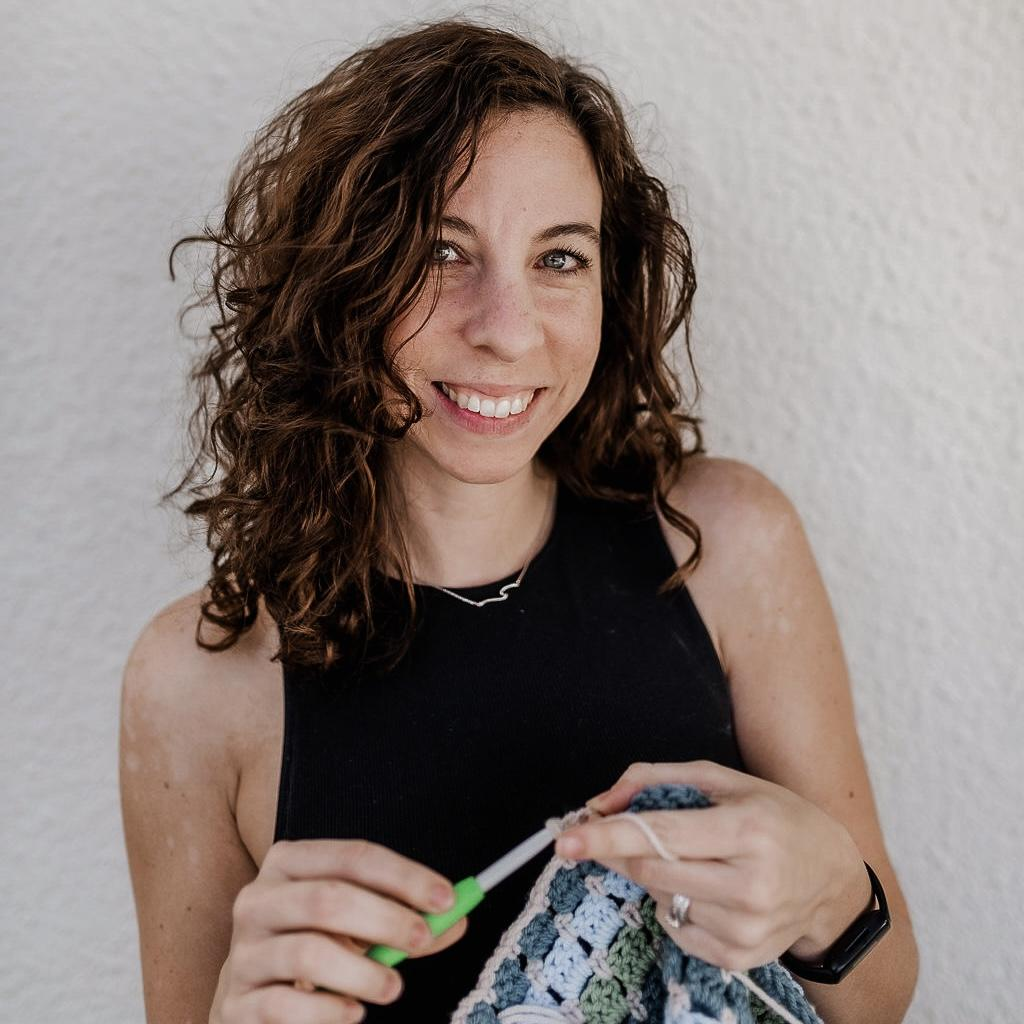
Sigoni is a military wife, mom to 3 rambunctious boys, student in the IMHC program, and a crochet teacher for almost 10 years. After struggling with anxiety and depression for much of her life, there was a time when she truly believed she might not survive her 20s. Everything changed when she discovered crochet as a creative and calming coping tool that helped her find peace in the middle of chaos, reconnect with herself, and rediscover a sense of purpose. Today, she is passionate about helping women use crochet as a simple, accessible way to support their mental and emotional wellbeing.


