
The stigma around mental illness is REAL. In a culture where it is totally fine to be diagnosed with high cholesterol, high blood pressure, diabetes, obesity, heart disease, and other chronic illnesses, mental illness continues to cause lots of shame and unnecessary suffering due to hiding one’s illness. This blog aims to (1) highlight strategies to help break the stigma culturally and (2) argue that integrative mental health coaches play an integral role in breaking the stigma.
According to a study published by the Centre for Health Services and Policy Research, Queen's University, Kingston, Ontario, Canada, there are a number of ways several countries have campaigned to end the stigma around mental illness:
- Contact-based education: Facilitate direct, meaningful interactions with people who have lived experience of mental illness, especially recovery-oriented narratives, to humanize mental health conditions and reduce fear, stereotypes, and “us versus them” thinking. I personally find the TED Talks platform to be an effective channel for mass education around mental health. This one TED Talk helped turn my recovery journey around back when I was floundering for resources.
- Rights-based advocacy and policy reform: Address stigma at a structural level by challenging discriminatory laws, practices, and institutional barriers related to housing, employment, healthcare access, and legal protections, reframing stigma as a social justice issue. This is especially as issue when trying to create laws to send mental health professionals to emergency situations as opposed to law enforcement.
- Targeted mental health literacy and awareness programs: Provide education tailored to specific audiences (such as schools, healthcare providers, employers, or faith communities), while avoiding oversimplified or purely biological explanations that may unintentionally reinforce stigma. This is where government entities and non-profits like Alcoholics Anonymous, SAMSHA, DBSA and COPE can partner with institutions.
- Media monitoring and protest strategies: Actively challenge stigmatizing portrayals of mental illness in news and entertainment media through formal complaints, engagement with journalists, and promotion of ethical reporting guidelines. This is where supporting mental health advocacy groups BringChange2Mind and NAMI.
- Community-based and culturally responsive approaches: Design stigma-reduction initiatives that are adaptable to local cultural values, involve people with lived experience and families, and allow communities to define priorities and solutions for themselves.
- Integration of lived experience in leadership roles: Include individuals with mental illness as program leaders, educators, advocates, and decision-makers to shift power dynamics and normalize mental health conditions within society. People are surprised to find out that successful people suffer from mental illness, too!
- Multi-level, sustained interventions: Combine individual, interpersonal, institutional, and policy-level strategies over time rather than relying on one-time campaigns or single-method interventions. The tide is turning with advocacy happening in film, social media, and more intimate settings like the family dinner table.
Now, what role do mental health coaches play in helping to implement these strategies? Simply put, mental health coaches, in my view, are the most motivated to de-stigmatize mental illness. A study by the Journal of Medical Internet Research lists among others the following reasons how mental health coaches impact change:
- One-on-One Coaching: The article emphasizes personalized, adaptive relationships that respond to each employee’s specific needs.
- Longitudinal Engagement (3–6+ Months): Rather than short-term or episodic interventions, the article highlights sustained coaching over several months, allowing different dimensions of mental well-being to develop sequentially and more effectively over time. This is key to help shift deeply ingrained cognitive frames around mental illness.
- Stigma-Free Mental Health Support: By positioning coaching as professional and leadership development rather than clinical treatment, the model reduces stigma and lowers psychological barriers to seeking support. In other words, the power and authority dynamic allows for more organic engagement.
- Future-Focused, Goal-Oriented Model: The article emphasizes a forward-looking approach centered on goal setting and prospection, avoiding diagnosis or pathology and instead focusing on behavior change and growth. Coaches are action-oriented by training and focus less on why stigma exists and more on making change.
- Delayed but Deeper Growth in Complex Outcomes: This can be viewed as a criticism, but the article notes that outcomes like resilience, purpose, and life satisfaction improve more gradually, underscoring the importance of sustained engagement rather than short-term interventions. The last 30 years of changes in mental health prove that change happens over time through consistent advocacy.
- Complement to (Not Replacement for) Clinical Care: Coaching is framed as distinct from therapy but complementary, supporting mindset and behavioral change while reducing the likelihood that employees will require clinical intervention. Coaching should be understood as playing one part in this overall struggle to break stigma around mental illness.
In conclusion, the aim of this blog was to (1) highlight strategies to help break the stigma culturally and (2) argue that integrative mental health coaches play an integral role in breaking the stigma.
My message to you, dear reader, is that if you or someone you know is struggling with mental illness, there is NOTHING to be ashamed of. Millions of people struggle; we just need to get past the stigma already. Reach out to a loved one if you are struggling, and you will be surprised to find out that you are not alone.
Resources
- Stuart H. Reducing the stigma of mental illness. Glob Ment Health (Camb). 2022 May 10;3:e17. doi: 10.1017/gmh.2022.11. PMID: 28596886; PMCID: PMC5314742.
- Jeannotte A, Hutchinson D, Kellerman G Time to Change for Mental Health and Well-being via Virtual Professional Coaching: Longitudinal Observational Study J Med Internet Res 2021;23(7):e27774 DOI: 10.2196/27774
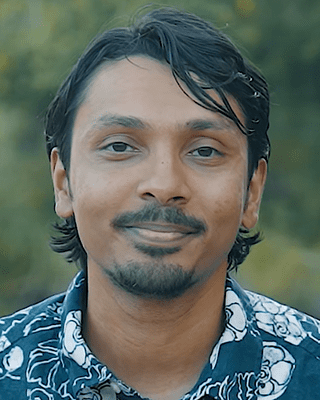
Imran Ghani, a recent graduate of our Integrative Mental Health Coach Training Program, is the founder of Bipolar Harmony (www.bpharmony.com), an integrative mental health coaching system that weaves sleep hygiene, nutrition, movement, mindfulness, and community building to help individuals struggling with bipolar disorder. As someone who once received the diagnosis and struggled for many years, Imran is on a mission to empower others to naturally heal themselves, find balance, and even reverse severe bipolar symptoms.


